


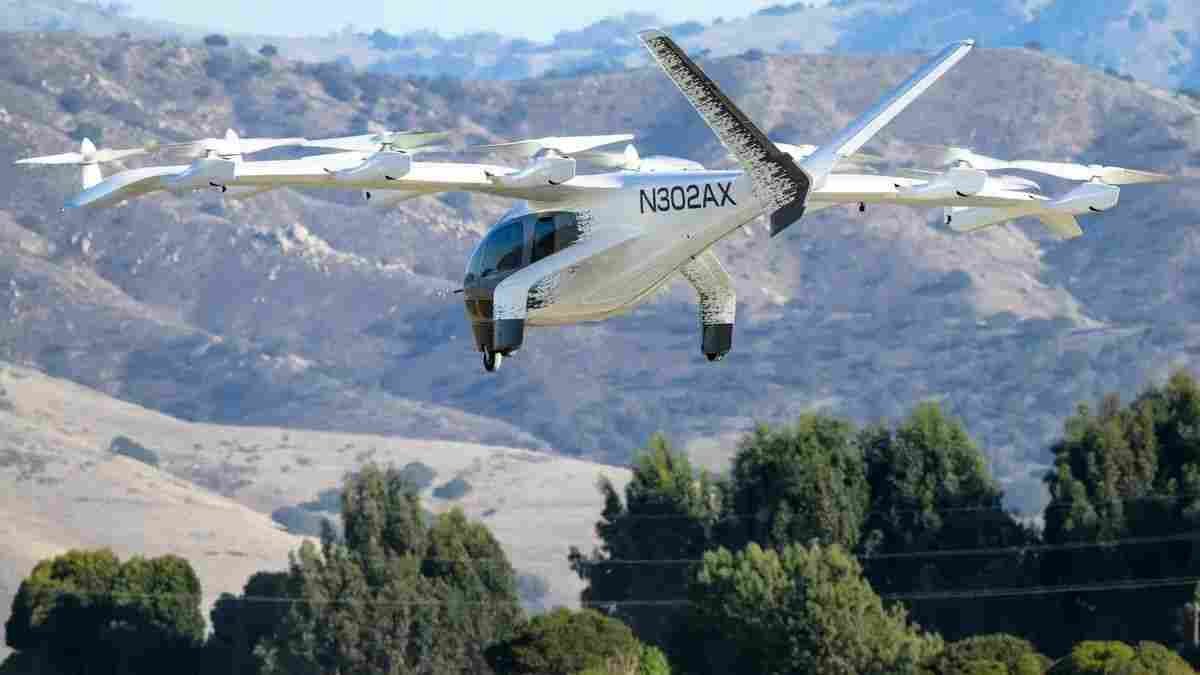
Boeing is retreating from its direct push into electric air taxis while maintaining a firm hold in the developing new space. On Monday the aerospace giant announced that it is to sell three of its specialized subsidiaries to California-based electric vertical takeoff and landing (eVTOL) aircraft developer Archer Aviation for a substantial stake in the firm and continued joint working arrangements. The sellers include Wisk Aero, which has been developing and flying experimental autonomous eVTOLs for most of a decade SkyGrid which sells digital airspace-management systems to accommodate more air taxis, and Insitu, an old hand at making long-range, high-altitude drones for intelligence and surveillance.
Insitu will add more than $200m in annual revenues and operations in dozens of countries to Archer, providing it with an instant, profitable defense operation, previously absent. In return Boeing will gettied to the Archer common stock in the form of sharesabout 19.75 percentthat makes its 250 million-dollar investment share standsand warrants to purchase additional shares in the coming years.
The result maker will have the ability to have a director on Archer. And other than critical, both Archer and Boeing are setting up a tech sharing agreement so that Boeing just owns Wisk’s key autopilot flight tech for its commercial and military aircraft projects. Archer’s shares surged more than 15 percent during the opening of trading on Monday as investors embraced this breakthrough broadening of its capabilities.
President and CEO Adam Goldstein called the deal “the next important milestone on our journey to becoming a multi-modal, scalable platform to accelerate revenues.” Combining over 16 years of flight test experience on six different aircraft platforms already within Wisk with Archer’s own Midnight air taxi design and targeted application-specific AI architecture ZEE, the management of both organisations said that the gathered data of a combined near 2 million flight hours should make both the transportation and the defense realms available through a dedicated end-to-end physical AI platform. For Boeing, it sends a clear message of renewed focus.
With so much time and capital invested in advanced air mobility, Boeing is now deploying capital into core commercial airplanes and defense businesses with upside from enhanced features they helped create. A Boeing vice president working on product development, Brian Yutko, said in a CNN interview that the deal was a good deal for everyone allowing the specialized teams to move forward with their projects, while giving Boeing an ongoing benefit from the technology. The deal is slated to close by the end of 2026, pending regulatory approval.
After it does, Archer will possess an expanded suite of assets for urban air mobility and unmanned aircraft systems. Wisk has flown its newest autonomous prototype, and SkyGrid’s software aims to assist air traffic management when many more low-altitude vehicles enter the airspace. Incorporating Insitu’s UAVs and worldwide presence opens Archer’s penetration into well-established government and defense markets.
The timing resonates. Electric air taxis are inching toward commercial operation in several U.S. cities with regulators globally laying the groundwork for pilot programs. Archer has been holding its sights on launching first passenger flights in the short-term, with collaborations already underway across several nations.


