


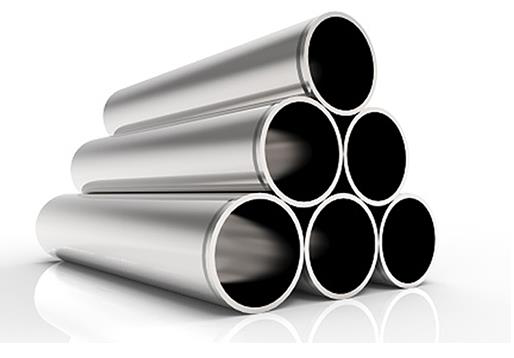
Stainless steel pipes have a good rapport for their durability and aesthetic appeal, and are a highly preferred material wherever corrosion resistance is the overriding consideration in a pipe system solution. You can use a stainless-steel pipe Singapore in challenging environments across municipal, power, and oil & gas industries, not forgetting sectors where hygiene and protections from contaminants and vital.
In this blog post, we examine what it takes to perfectly care for stainless steel pipe Singapore and fittings to ensure their optimum performance and prevent avoidable issues throughout their lifecycle.
Care for Stainless Steel Fittings
Proper care and maintenance of stainless-steel components spans the supply chain from production through to final decommissioning. A reputable stainless steel pipe Singapore supplier plays and essential role in safeguarding and caring for parts from the early stages of design through to final delivery for installation and beyond.
This is more so important if they connect pipe systems using different materials or different grades of stainless steel. A stainless-steel pipe Singapore contributes local insights to system designers and production facilities when it comes to environmental traits, performance requirements, and handling considerations that may impact design and production.
It doesn’t end with that since cleanliness is also important for corrosion resistant in stainless steel. The cleaner stainless steel pipe Singapore and fittings can be kept through production, while in storage, and as they progress through logistics networks, the greater the assurance for optimum corrosion resistance in the finished product.
You may also be required to insulate for temperature variations in harsh environments and may be produced from a range of stainless-steel grades, including 304, 316, and 317, each of which has a unique combination of mechanical and corrosion resistance properties.
It is in your best interest that you pay close attention to the lubrication of the threads of fittings to prevent seizing or galling. Be sure to use a high-quality lubricant compatible with stainless-steel and the type of fluid being transported.
Last but definitely not least, you should make it the norm to check connections and tighten them as need be to prevent leaks since connections between fittings can loosen due to thermal expansion or contraction, vibrations, or other factors.
Now that you have an insight into what it takes to care for your stainless-steel pipe Singapore and fittings, why not get started with this expedition?


