


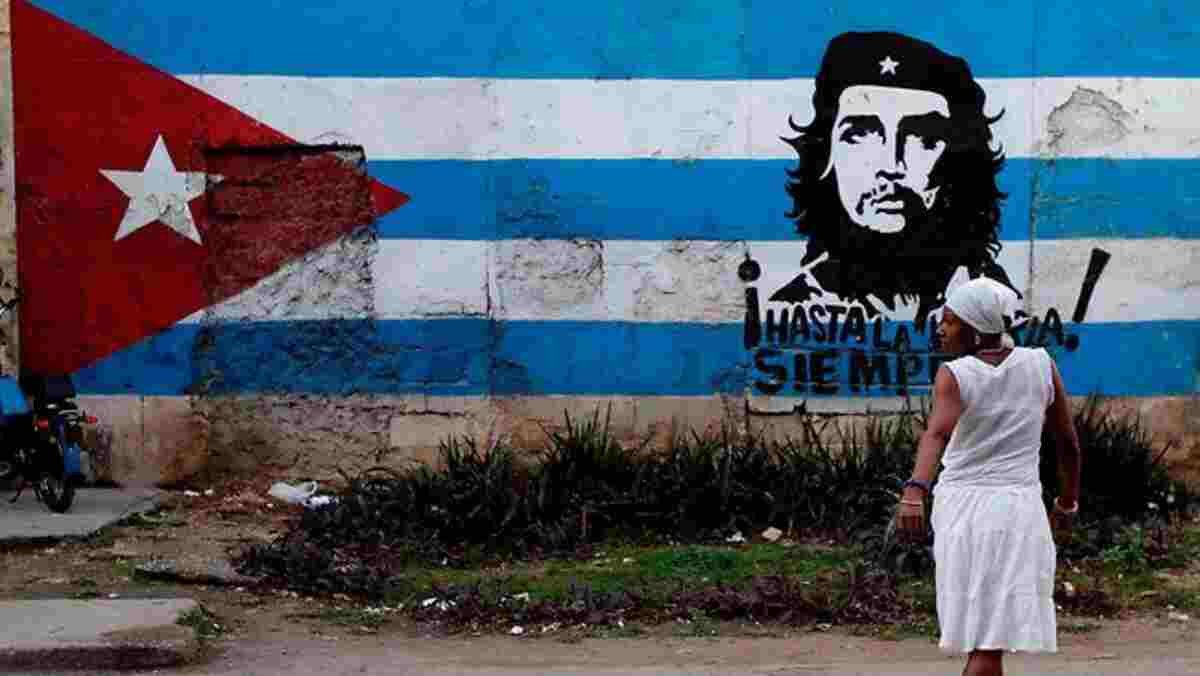
Cuba is facing one of the most severe economic crises in its modern history as a tightening United States oil blockade pushes the island nation toward potential collapse. With fuel supplies dwindling, essential services breaking down, and public frustration rising, thousands of citizens have taken to the streets of Havana in protest against worsening shortages and deteriorating living conditions.
The crisis stems from an aggressive U.S. strategy aimed at restricting Cuba’s access to global oil supplies. Following geopolitical tensions tied to the broader Iran conflict and regional instability, Washington has imposed strict maritime restrictions and secondary sanctions on countries supplying fuel to Cuba. This has effectively cut off the island from key energy sources, including traditional suppliers like Venezuela and even alternative partners.
As a result, Cuba is experiencing a crippling fuel shortage that has disrupted nearly every sector of daily life. Public transportation has slowed dramatically, agricultural production has declined, and power outages have become widespread. In some regions, entire provinces have faced blackouts, while Havana continues to struggle with intermittent electricity failures.
The impact on food security has been particularly severe. Farmers, unable to access fuel for machinery and irrigation systems, are struggling to maintain crop production. This has led to shortages of basic goods, rising prices, and growing concerns about hunger among vulnerable populations. According to reports, the lack of fuel has even forced a return to manual farming methods in some areas, highlighting the depth of the crisis.
In Havana, the economic strain has sparked visible unrest. Thousands of citizens gathered during recent May Day demonstrations, not only to mark International Workers’ Day but also to voice frustration over worsening living conditions. The protests, attended by top leaders including President Miguel Díaz-Canel and former leader Raúl Castro, reflected both national solidarity and rising public pressure.
Adding to the tension, new rounds of U.S. sanctions targeting Cuba’s economic and security sectors have intensified the crisis. Cuban officials have condemned these measures as “collective punishment,” arguing that they disproportionately affect ordinary citizens rather than political leadership.
The situation has been further complicated by global energy disruptions linked to the Iran conflict. The war has caused one of the largest oil supply shocks in history, tightening global markets and making it even harder for Cuba to secure alternative fuel sources.
The humanitarian consequences are becoming increasingly visible. Hospitals and water systems are under strain due to power shortages, garbage collection has slowed leading to sanitation issues, and economic activity across the island has sharply declined. In some cases, schools and universities have been forced to close temporarily as the government prioritizes limited resources.
Despite these challenges, the Cuban government has called for resilience and unity, framing the crisis as part of a broader struggle against external pressure. At the same time, officials have initiated limited reforms and diplomatic talks in an attempt to ease tensions and stabilize the economy. However, with no immediate resolution in sight, uncertainty continues to loom over the country’s future.
As protests grow and shortages deepen, Cuba stands at a critical crossroads. The combination of geopolitical conflict, economic sanctions, and internal vulnerabilities has created a perfect storm that threatens long-term stability. Whether through diplomacy or policy shifts, the coming months will be crucial in determining whether the island can navigate this crisis or face a prolonged period of economic hardship.


