


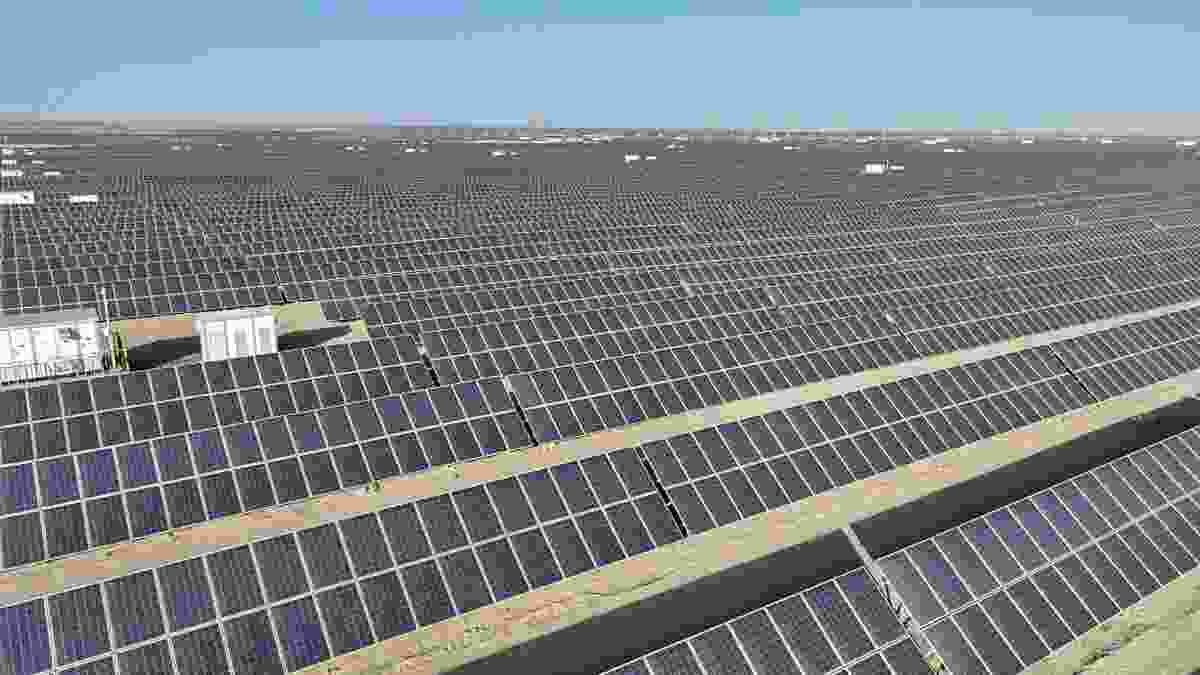
Tesla is reportedly negotiating a major $2.9 billion deal to supply solar energy equipment in China, marking a significant expansion of its clean energy ambitions in one of the world’s largest renewable markets. The move highlights Tesla’s growing focus beyond electric vehicles, positioning itself as a key player in the global transition toward sustainable energy.
The potential agreement is expected to involve large-scale deployment of solar panels and energy storage systems, designed to support China’s aggressive renewable energy goals. As the country continues to push for carbon neutrality, demand for advanced solar infrastructure has surged, creating opportunities for global companies with proven technology and scalable solutions.
Tesla’s energy division, which includes solar panels, solar roofs, and battery storage products like the Powerwall and Megapack, has been steadily gaining traction. While the company is best known for its electric vehicles, its energy business is becoming an increasingly important part of its long-term strategy. This deal could significantly boost that segment, both in terms of revenue and global influence.
China’s renewable energy market is among the most competitive and rapidly evolving in the world. The country leads in solar capacity installation and continues to invest heavily in green infrastructure. By entering into a deal of this scale, Tesla is not only tapping into a massive market but also aligning itself with one of the most ambitious clean energy transitions globally.
The partnership could also strengthen Tesla’s presence in China, where it already operates a major Gigafactory in Shanghai. This facility has been central to Tesla’s manufacturing and distribution strategy in Asia, enabling the company to reduce costs and increase production efficiency. Expanding into solar infrastructure further integrates Tesla into China’s broader energy ecosystem.
One of the key advantages Tesla brings to the table is its integrated approach to energy solutions. By combining solar generation with advanced battery storage, the company offers systems that can store excess energy and deliver it when needed. This capability is particularly valuable for stabilizing power grids and supporting the intermittent nature of renewable energy sources like solar and wind.
The deal also reflects a broader global trend where companies are diversifying into energy solutions to capitalize on the shift toward sustainability. Governments worldwide are introducing policies and incentives to accelerate the adoption of clean energy, creating a favorable environment for investments in solar and related technologies.
However, the negotiations come with challenges. Operating in China requires navigating complex regulatory frameworks, local competition, and geopolitical considerations. Domestic companies already dominate large portions of the solar market, and Tesla will need to demonstrate clear value to secure and maintain its position.
There are also questions about supply chains and resource availability. The production of solar equipment depends on materials such as silicon and rare earth elements, which are subject to global demand fluctuations. Ensuring a stable supply will be crucial for executing a deal of this magnitude.
Despite these challenges, the potential impact of the agreement is substantial. It could accelerate the adoption of renewable energy technologies, contribute to emissions reduction, and strengthen Tesla’s role in the global energy transition. For China, it represents another step toward achieving its climate targets while integrating advanced international technology into its infrastructure.
As negotiations continue, the deal serves as a clear indication of how the energy landscape is evolving. Companies like Tesla are no longer confined to single industries but are becoming multi-dimensional players in the fight against climate change.
If finalized, this partnership could mark a turning point for Tesla’s energy business, reinforcing its vision of a future powered by sustainable energy and setting the stage for further expansion in global renewable markets.


