


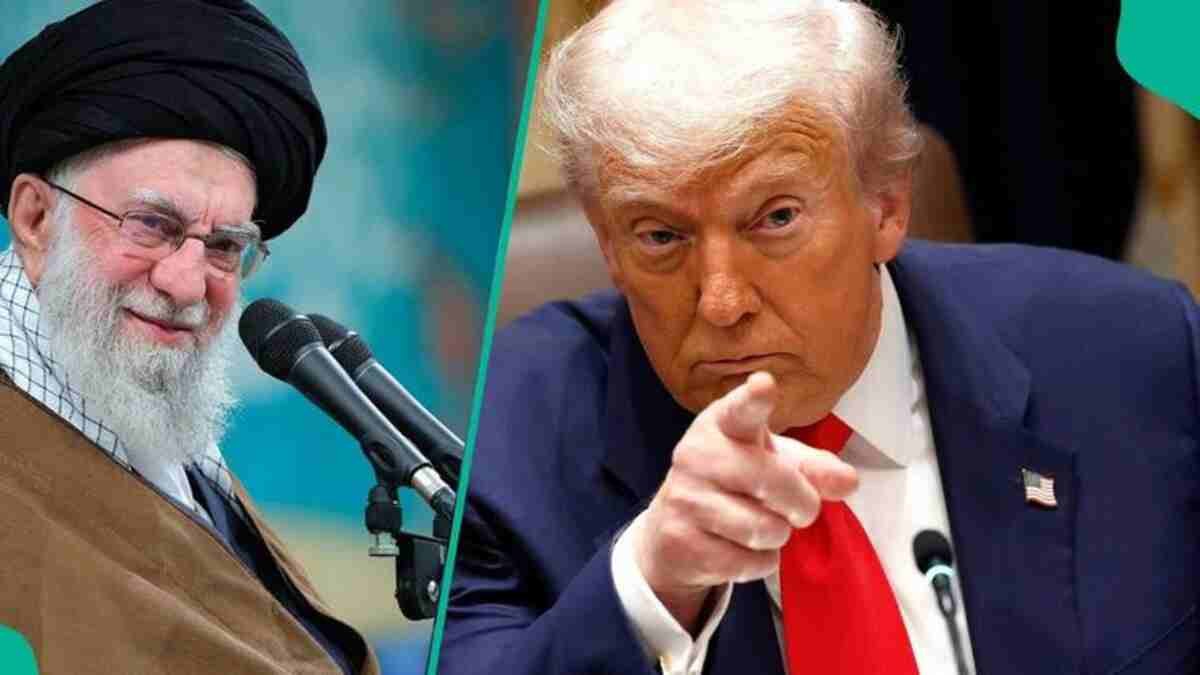
US President Donald Trump has sharply rejected Iran’s response to a comprehensive 14-point peace proposal, labeling it “totally unacceptable” and intensifying concerns about stability in the strategically vital Strait of Hormuz. The development, unfolding in mid-May 2026, has raised fresh alarms over potential disruptions to global oil shipments and broader Middle East security.
In a strongly worded statement, President Trump expressed disappointment with Tehran’s counterproposal, which fell short of key US demands including stricter limits on its nuclear program, ballistic missile development, and regional proxy activities. The original 14-point plan, mediated through backchannel diplomacy involving European allies and Gulf states, aimed to de-escalate hostilities following months of naval incidents and heightened rhetoric in the Persian Gulf.
The Strait of Hormuz, a narrow chokepoint through which roughly 20 percent of the world’s oil supply passes daily, has once again become a focal point of geopolitical risk. Shipping experts warn that even minor provocations could lead to insurance rate spikes, rerouting of tankers, and immediate jumps in global crude prices. Brent crude futures already climbed more than three percent in early trading following Trump’s remarks, reflecting market anxiety over possible supply interruptions.
This latest diplomatic setback comes amid a complex regional landscape. Iran has maintained a firm stance on its sovereign rights and defensive capabilities, while the United States continues to emphasize the need for verifiable commitments to prevent nuclear proliferation. Trump’s administration has signaled willingness to return to negotiations but insists any deal must deliver tangible security guarantees for Israel and Gulf partners.
International reactions have been swift. European Union foreign policy chief expressed concern over the hardening positions and urged both sides to exercise restraint. Saudi Arabia and the UAE, while publicly supportive of diplomatic efforts, have quietly bolstered defensive postures around key energy infrastructure. China, a major buyer of Iranian oil, called for calm and continued dialogue to protect maritime freedom of navigation.
Military analysts note that US naval presence in the region remains robust, with multiple carrier strike groups positioned to deter any attempts to close or harass traffic through the strait. However, repeated drone and missile incidents in recent months have demonstrated the vulnerability of commercial shipping even without full-scale conflict.
Economists project that prolonged uncertainty could add between $10 and $20 per barrel to oil prices in the coming weeks, feeding into higher gasoline costs worldwide and complicating inflation management for central banks. Emerging markets heavily dependent on energy imports face particular risks from any sustained disruption.
Despite the current impasse, diplomatic channels have not fully closed. Sources close to the negotiations indicate that mediators from Oman and Qatar continue working behind the scenes to bridge differences. Trump himself left the door slightly ajar, stating that Iran “knows what it needs to do” if it wants sanctions relief and normalized relations.
The episode underscores the fragile balance in US-Iran relations and the outsized influence of the Strait of Hormuz on global energy security. As both sides dig in, businesses, consumers, and governments worldwide are watching closely for signs of either renewed dialogue or further deterioration. The coming days could prove decisive in determining whether this diplomatic breakdown leads to dangerous escalation or serves as a prelude to more serious bargaining.
For now, the rejection has injected new volatility into already tense waters, reminding markets and policymakers alike of the enduring strategic importance of the Persian Gulf in shaping global stability and economic fortunes.


