


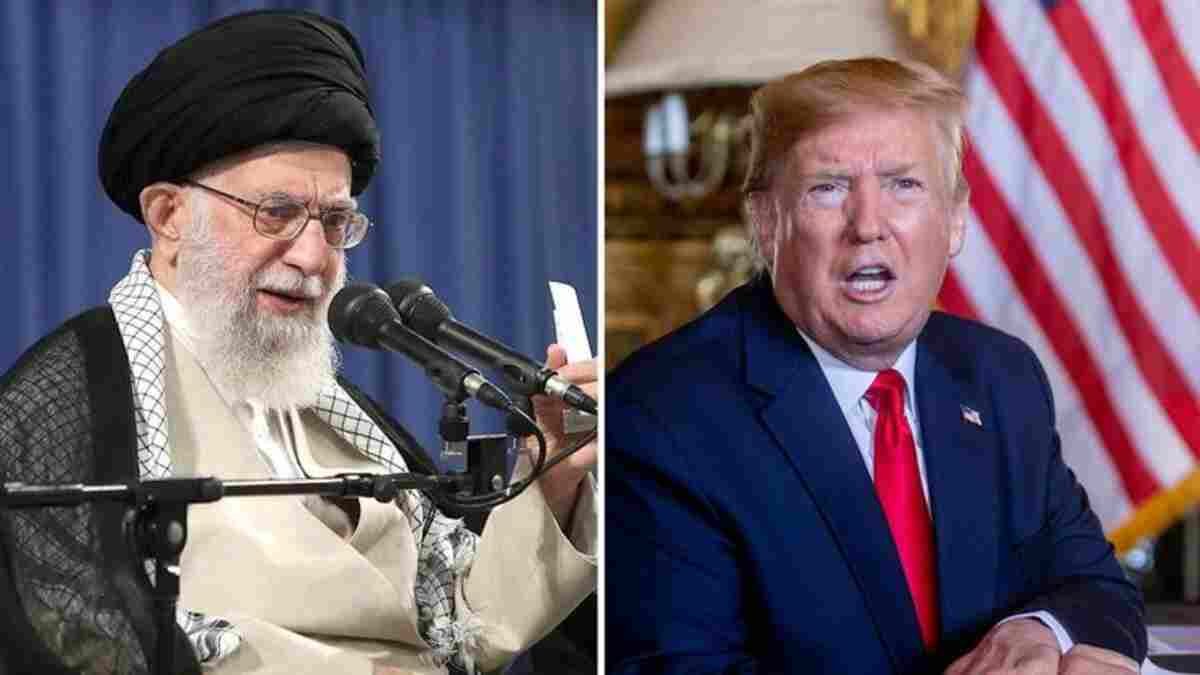
Diplomatic channels between Washington and Tehran remain active even as the United States enforces a naval blockade on the Strait of Hormuz, signaling a high-stakes blend of military pressure and continued negotiation efforts in the ongoing conflict. On April 14, 2026, multiple reports confirmed that US officials are internally discussing details for a potential second in-person meeting with Iranian counterparts before the current two-week ceasefire expires next week. Pakistan has emerged as a key mediator, offering to host the follow-up talks in Islamabad, the same venue where the first round of direct negotiations collapsed over the weekend.
The initial face-to-face discussions, led by US Vice President JD Vance, marked the highest-level engagement between the two nations in more than a decade. However, the marathon sessions ended without a breakthrough, primarily due to disagreements over Iran’s nuclear program and control of key maritime routes. President Donald Trump quickly responded by ordering the US Navy to begin blockading ships entering or exiting Iranian ports, a move that took effect on Monday and aims to choke off Tehran’s oil exports. The Strait of Hormuz, through which roughly one-fifth of the world’s oil supply normally passes, has become the central flashpoint, with both sides accusing the other of restricting freedom of navigation.
Despite the escalation, sources familiar with the talks indicate forward momentum behind the scenes. US officials have described continued engagement and “some forward motion on trying to get to an agreement,” while Iranian state media has not ruled out further discussions. One idea under consideration involves returning to Islamabad as early as this week or early next, though venues and delegation compositions remain undecided. Trump himself has sent mixed signals, publicly stating he does not care whether Iran returns to the table while privately keeping options open if Tehran shows flexibility.
The blockade’s immediate impact is already rippling through global energy markets. Oil prices surged following the announcement but showed signs of easing amid hopes for renewed diplomacy. Ships have reportedly continued transiting parts of the strait, though with heightened caution, and Iran has warned of potential retaliatory measures that could further disrupt regional shipping lanes. Saudi Arabia, concerned about broader fallout, is quietly pressing the US to lift the blockade and prioritize negotiations to avoid escalation that might affect other critical waterways like the Bab al-Mandeb Strait.
Analysts view the current situation as classic coercive diplomacy: the US is using the blockade to increase economic pressure on Iran, hoping to force concessions on nuclear issues and maritime security, while leaving the door ajar for talks. Iranian officials have signaled interest in resuming dialogue if the blockade is addressed, creating a delicate balance where military actions coexist with diplomatic outreach. The two-week ceasefire, announced on April 7, remains in place for now, but its expiration looms as a deadline that could either spur compromise or trigger renewed hostilities.
International reactions have been swift. European leaders, including French President Emmanuel Macron, have urged both sides to return to the negotiating table. Regional powers are closely monitoring developments, aware that any prolonged disruption in the Persian Gulf could trigger inflation, energy shortages, and broader economic instability far beyond the Middle East.
As the situation evolves hour by hour, the coming days will prove critical. Whether the second round of talks materializes—and whether the blockade is eased or intensified—could determine if the fragile ceasefire holds or if the conflict escalates into a more dangerous phase. For now, the unusual parallel tracks of naval enforcement and diplomatic maneuvering highlight the complexity of resolving one of the world’s most entrenched geopolitical standoffs.


