


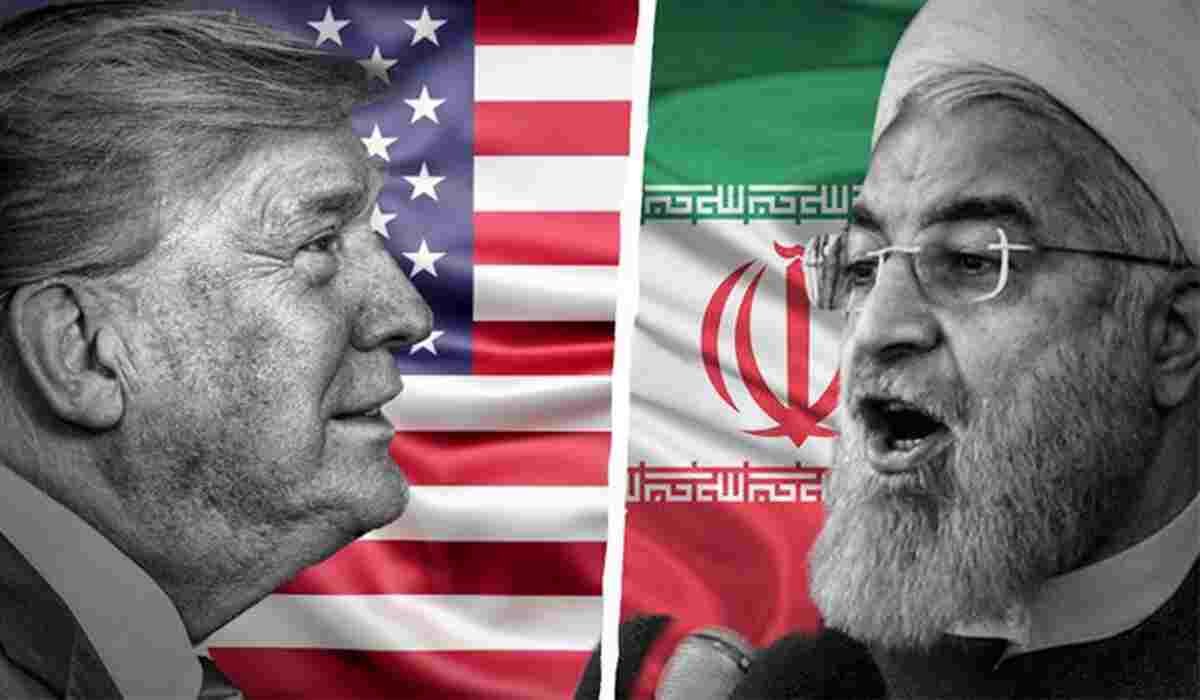
Tensions between the United States and Iran have climbed sharply over recent weeks, with global leaders watching anxiously as diplomatic negotiations continue amid military buildups and security warnings that could reshape Middle East stability in 2026. The situation has prompted international caution and forced governments to reassess regional strategies, with both sides reinforcing their positions ahead of a crucial round of indirect talks in Geneva scheduled for late February.
This complex crisis has roots in decades of mistrust over nuclear ambitions, regional influence, and sanctions, but the current phase of strain stems directly from stalled nuclear negotiations and a dramatic increase in military deployments by the United States. American forces, including two aircraft carriers and more than 150 military aircraft, have been stationed in the Middle East and Europe in what officials describe as deterrence against potential escalation, though critics warn it represents one of the largest U.S. force postures in the region since the 2003 Iraq war.
At the same time, the U.S. State Department has ordered non-essential diplomats and their families to leave the American embassy in Beirut, Lebanon, citing heightened security risks amid fears of Iranian retaliation or proxy attacks. The embassy remains open with core staff, but the evacuation underscores growing concern about potential conflict spilling over into neighbouring states where groups aligned with Tehran, such as Hezbollah, wield significant influence.
Diplomatic efforts have not halted entirely. American and Iranian delegations are expected to meet in Geneva for indirect nuclear talks, mediated by Oman, with both sides maintaining cautious rhetoric. Iran’s foreign minister has signalled that progress on principles of an agreement has been made, though key issues such as ballistic missiles and regional proxy networks remain points of sharp difference. Iran has stated that it seeks a resolution but insists on its readiness to defend its interests, reflecting a posture that combines diplomatic engagement with military preparedness.
Observers note that Tehran’s internal political situation is also contributing to instability. Widespread public protests and a broader internal crisis following previous conflicts have added pressure on Iranian authorities, complicating the government’s response to external diplomatic overtures. The combination of domestic unrest and external tensions increases the volatility of negotiations and the risk of miscalculation.
International reactions have been mixed. While some foreign ministries, including India’s, have issued advisories urging their citizens to exit Iran amid the uncertain security situation, others like Russia have publicly called for restraint and emphasised diplomatic solutions. Moscow’s concerns highlight how global powers are attempting to balance geopolitical ties while preventing broader escalation around the Gulf and beyond.
On the ground, Iran’s military has conducted exercises along strategic locations, including the southern Gulf shore, signalling readiness in the face of foreign pressures. Meanwhile, Iranian students and civil society groups have continued protests in major cities, reflecting deeper layers of domestic dissatisfaction that parallel international tensions.
Analysis from military experts also shows that even within the U.S. administration there are debates about the role of force. Senior U.S. defense officials have warned of the substantial risks associated with a potential military operation against Iran, noting that munitions levels and allied support present significant challenges if a large-scale campaign were to be pursued. Such assessments underscore how deeply cautious some strategists are about initiating direct confrontation given the stakes involved.
The media spotlight remains trained on this evolving crisis, with both countries navigating a delicate balance between diplomacy and deterrence. President Donald Trump has repeatedly emphasised his desire for a meaningful agreement while underscoring that all options “remain on the table.” Iranian officials have echoed their commitment to negotiation but have also reaffirmed their readiness for combat in the event of aggression.
Markets have also felt the impact of this geopolitical uncertainty, with commodities such as gold rising as investors seek safety amid fears of broader disruption. These economic ripples demonstrate how expectations of conflict or diplomatic breakdowns extend far beyond military calculations, affecting global finance, energy, and supply chains.
The situation remains in flux as the world watches whether diplomacy can prevail or whether the buildup of forces and hardened rhetoric will lead to greater conflict. The coming week’s negotiations in Geneva could prove pivotal in determining whether this phase of U.S.-Iran tensions escalates into direct confrontation or moves toward a fragile détente backed by international cooperation.


