


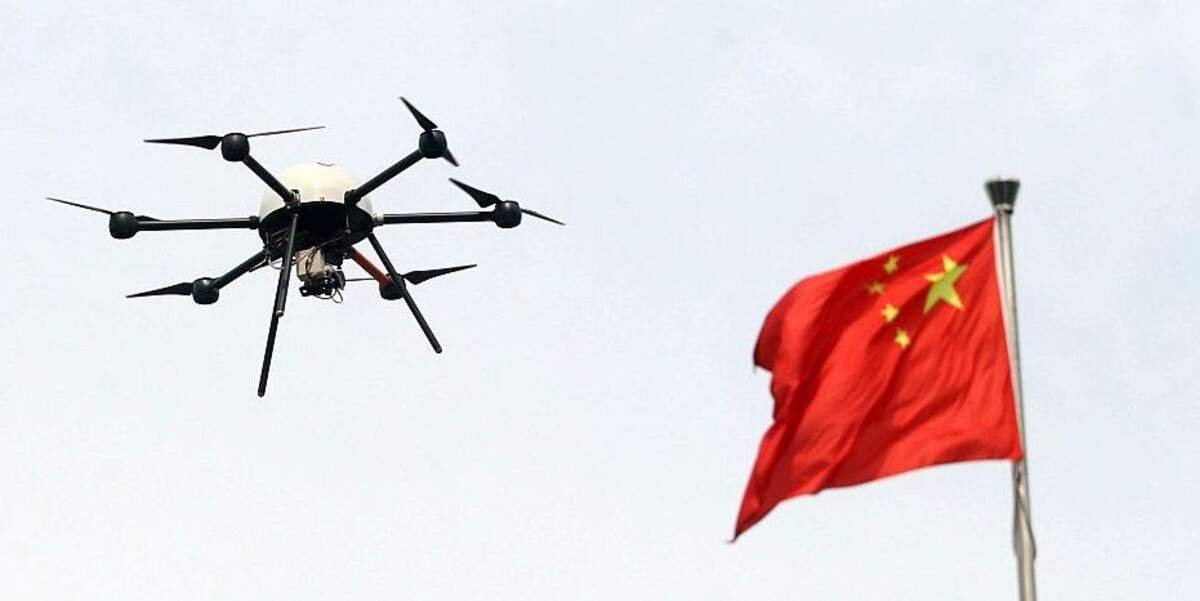
The US has now announced that they will impose tariffs of up to 100 per cent (effectively a ban) on a range of imported drones and components, further tightening the financial noose on foreign suppliers and speeding the implementation of local manufacturing. Initial import duties are aimed at the ‘most sensitive’ categories from a security point of view, with jobs and innovation-focused small consumer models subject to a lower, but still stiff tariff. The new proclamation impose a fifty 50 percent import duty on drones over 25 Kilogram maximum takeoff weight, and those with thermal imaging.
The same duty is set for docking stations for these systems and selected vital parts. Smaller drones not having these risk factors has a 25 percent duty. Most duties are set to be effective sometime about three weeks after the pronouncement.
The administration has characterized the initiative as a reaction to the reliance on foreign sources for motors, electronic speed controllers, lithium-ion batteries and other key components. They claim that the reliance presents risks to both commercial and security-sensitive applications. Companies will be encouraged to move drone and components manufacturing stateside through the creation of an onshoring program, and potentially tariff relief.
Several of the other allies and partners have the differentiated rates. Products that qualify from the European Union Japan South Korea Switzerland Liechtenstein, and Taiwan are at a maximum of 15 percent; while the United Kingdom receives a 10 percent rate, as long as Greatly all of the hardware, software, and technology in question is from those countries or from the United States. This approach incentivizes the development of trusted supply chains, while maximizing the burden on Chinese imports, which leads the world in production of consumer and many commercial drones.
This filing follows a number of steps over the past few years to tighten restrictions on Chinese drone technology. Previous actions inhibited approval of new models and overshadowed the debate on data-security and supply-chain sovereignty. Elevated duties on final drones and critical components target the pricing equation to influence buyer choices and investment patterns in favor of other markets, including ramped-up U.S. capacity. Industry sources comment that establishing in-house, cost-competitive, vehicle-building capabilities will be a long-term proposition that depends on significant capital and knowledge investments in subsectors where Chinese suppliers are well entrenched, including battery systems and precision motors.
For businesses that use drones for inspection agricultural logistics, media and public safety services, the first impact is probably higher equipment costs. Firms that have settled on the Chinese platforms will have to find other suppliers or pay the premium. Consumers who buy smaller recreational and prosumer drones will have to pay the additional costs at retail, while the 25% rate is somewhat lower of the top tier. others may hasten production of domestically assembled or sourced drones to win U.S.


